Attention
Concentration, forgetfulness, prioritisation and sustained mental effort.

A bilingual space to understand the many ways ADHD can appear and explore support options suited to every stage of life.
One condition, many lived experiences
Attention, impulsivity and hyperactivity can appear with very different levels of intensity. Their impact may be felt at school, at work, in relationships or in everyday organisation.
Concentration, forgetfulness, prioritisation and sustained mental effort.
Quick decisions, interruptions and difficulty waiting or regulating certain reactions.
Visible or internal restlessness, a need to move and difficulty slowing down.
Recognising the signs
One sign on its own is not enough to identify ADHD. What matters is whether patterns persist, appear in more than one setting and have a tangible impact on everyday life.
None of these difficulties is systematic and none, on its own, establishes that a person has ADHD.
Across every stage of life
ADHD begins during development, but the way it appears can change with age, expectations and the coping strategies a person builds.

Learning, independence, relationships, emotions and collaboration with the school environment.
Study methods, the transition to independence, direction choices and life balance.
Work organisation, mental load, relationships, parenting and sustainable strategies.
A structured pathway
Review the person’s journey, challenging situations, strengths and strategies already in place.
Explore patterns across settings and consider whether other causes may explain them more accurately.
Set priorities and identify realistic support options suited to the person’s needs and daily life.
Complementary approaches
Every person’s needs are different. Approaches may be combined and reviewed as circumstances change.
An individual discussion with a qualified professional about the benefits, limitations and practicalities of possible treatment.
Work on self-esteem, emotions, anxiety, relationships and life experiences connected with ADHD through Cognitive Behavioural Therapy (CBT).
Tools for planning, studying, working, managing priorities and building more sustainable routines.
About the founder
Sophian Jouhari is a therapist specialising in psychology. He began his career in the field in 2015 and is recognised for his humanistic approach and commitment to psychological and emotional wellbeing.
He works across several fields to share his expertise and make psychological knowledge accessible to as many people as possible.
Author of “Perversion narcissique, jeux de manipulations et témoignages”, a book helping raise public awareness of the complex issues surrounding narcissistic abuse.
An international speaker on emotional health, resilience and self-love.
He opened his first practice for children, teenagers, adults and couples. Support includes anxiety, self-confidence, depression, relationship difficulties, procrastination, stress, emotional dependency, high sensitivity and the impact of physical or psychological violence.
He founded a psychology training centre offering courses and masterclasses for individuals and professionals, with people at the heart of its approach.
He launched a practice specialising in mental and emotional preparation for elite athletes. Its innovative protocol combines psychology, neuroscience and sports performance, supporting national, world-level and Olympic athletes in disciplines including Muay Thai, judo, tennis, basketball, football and fencing.
He opened a practice dedicated to supporting people with attention deficit hyperactivity disorder. Sophian develops an integrated, personalised approach for children, teenagers and adults across Europe, offering discovery sessions, therapeutic support and behavioural coaching tailored to ADHD.
This approach combines scientific rigour with compassionate care to foster independence and wellbeing for people affected by ADHD. It is not a substitute for medical follow-up.
Resources
Contact and accessibility
We welcome you at Centre Médical Léopold III. Contact us by phone or WhatsApp with any questions or to arrange an appointment.
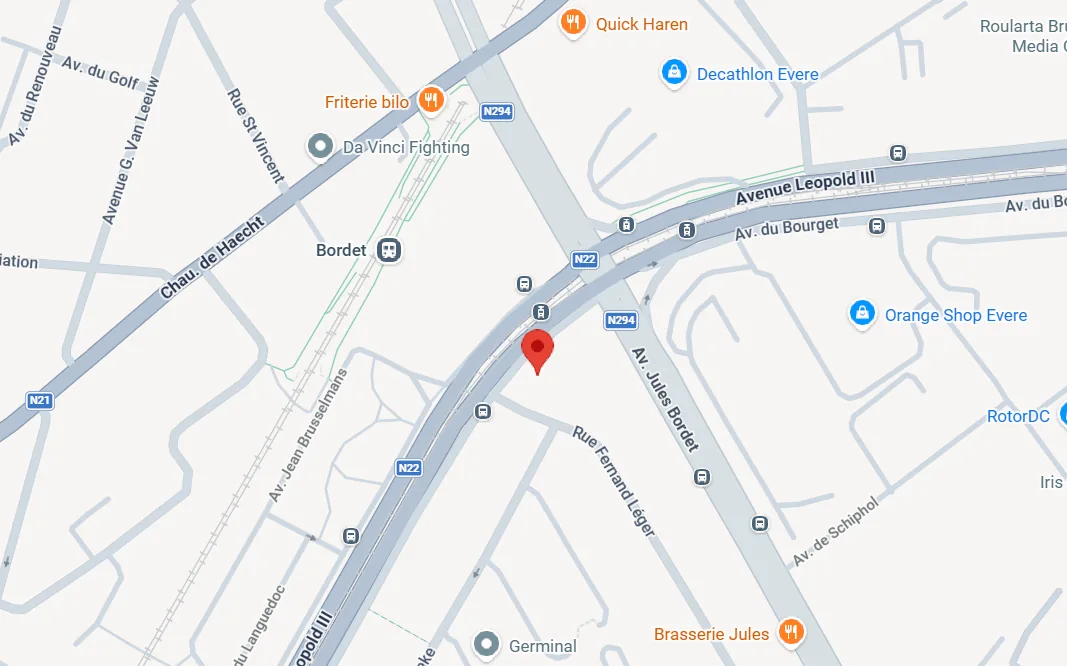
The practice is located at Avenue Léopold III 59 in Evere. Use the map to plan your journey easily.
Understanding opens a path forward
Explore the signs, the assessment pathway and the different forms of support offered by the Cabinet Européen d’Accompagnement du TDAH.
Review the signs